
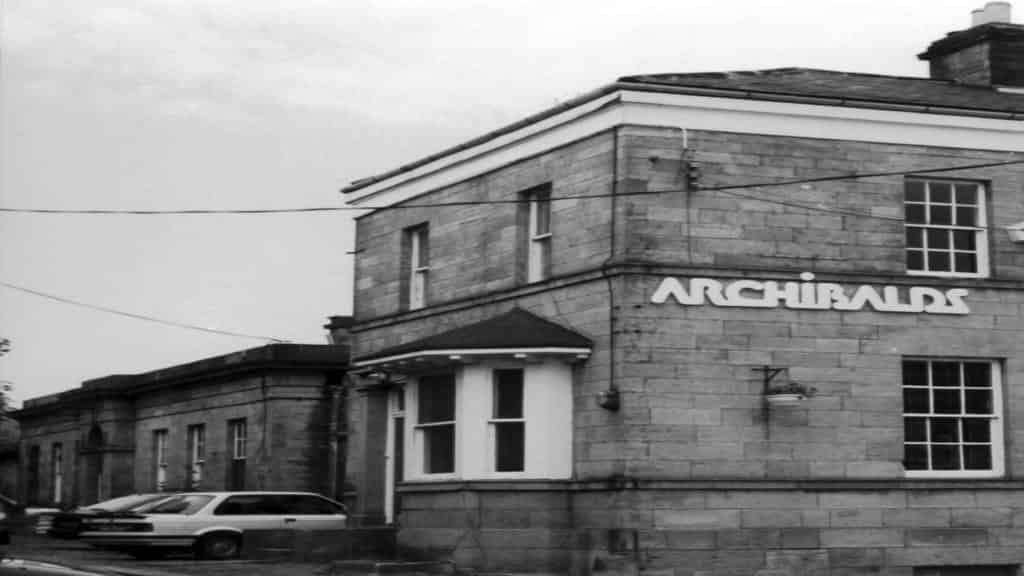
Introduction to the History of Archibald’s at Gilesgate Station
For many decades, the name Archibalds was a cornerstone of the building trade in Durham. More than just a builders’ merchant, it was a local institution with a rich history deeply intertwined with the city’s industrial past. While the brand no longer exists in its original form, its most iconic location, the former Gilesgate Railway Station, remains a point of local historical significance.
From Steam to Sawdust: The Gilesgate Railway Station
The story of Archibalds in Gilesgate begins with the age of steam. The Gilesgate Railway Station, designed by the notable architect George Townsend Andrews, was opened in 1844 by the Durham and Sunderland Railway Company. For a brief period, it was the primary station for Durham, even serving as the main hub for trains to London.
However, its prominence was short-lived. With the opening of the current Durham station in 1857, Gilesgate was closed to passenger traffic. It continued to serve a vital role for the city as a goods station for over a century, facilitating the transport of freight and materials until it was finally closed completely on November 17, 1966.
A New Chapter: Archibald’s Builders Merchant
Following the closure of the railway, the historic station building was not left to decay. It was given a new lease on life when it was acquired by J & G Archibald, a well-established local builders’ merchant. The former station, with its robust structure and spacious grounds, was an ideal location for a hardware and building supplies business. For years, the site of the old station was synonymous with Archibalds, a place where local builders and DIY enthusiasts could find everything they needed.
The business was a family affair, with the McIntyre family at its helm. Ian McIntyre, a well-respected figure in the North-East business community, and his father, Alderman Gordon McIntyre (a two-time Mayor of Durham), were instrumental in expanding the Archibalds group. They grew the business from a single shop in North Road to include depots across the city, including the prominent Gilesgate location and another in Dragonville.
The End of an Era and a New Identity
Archibalds, which traced its roots back to 1840, eventually became part of the larger Saint-Gobain Building Distribution group. This led to a rebranding, and the Archibald’s name, a familiar sight in Durham for generations, was replaced by Gibbs & Dandy. The business continued to trade, but the era of the independent, family-run Archibalds had come to a close.
The Site Today
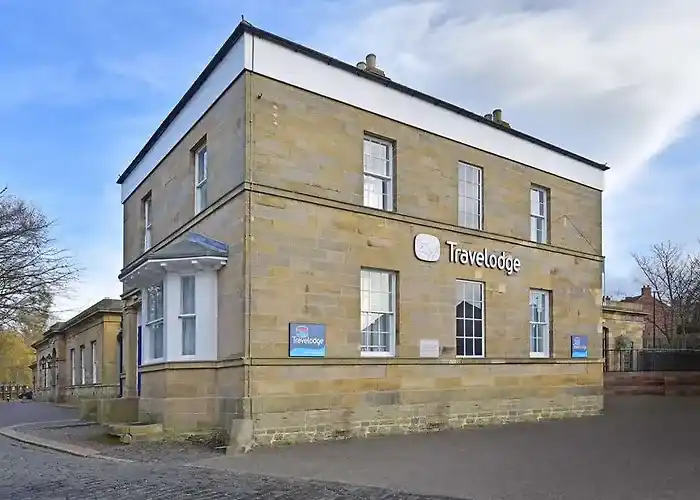
The physical legacy of the Gilesgate Railway Station, and its life as Archibald’s Builders Merchant, has now been completely transformed. The historic site was redeveloped, and today, a Travelodge hotel and a restaurant stand where trains once arrived and where countless bags of cement and timber were sold. While the buildings have changed, the location, just off the Gilesgate roundabout on Station Lane, still bears the name of its original purpose, a subtle nod to a history that shaped this corner of Durham.

The story of Archibald’s at Gilesgate is a poignant reminder of the changing face of our cities, a tale of industrial heritage, family enterprise, and the inevitable march of progress.
FAQs about Archibald’s Builders Merchant
What was Archibald’s Builders Merchant?
Archibalds was a well-known, family-run builders’ merchant with roots in Durham dating back to 1840. It was a key supplier for the local building trade and DIY enthusiasts for many decades, run by the McIntyre family.
Where was Archibald’s in Gilesgate located?
The historic Archibalds in Gilesgate was located on the site of the former Gilesgate Railway Station, just off the Gilesgate roundabout on Station Lane.
What was on the site before it became Archibald’s?
Before Archibalds took over the site, it was the Gilesgate Railway Station. It opened in 1844, served passengers until 1857, and continued as a goods and freight station until its complete closure in 1966.
What is located on the old Archibald’s site today?
The site was completely redeveloped. Today, a Travelodge hotel and a restaurant occupy the land where the station and, later, the Archibalds builders’ merchant once stood.
Does Archibald’s still exist as a company?
The company was acquired by the Saint-Gobain Building Distribution group and was rebranded as Gibbs & Dandy. So, while the business lineage continues under a new name, the “Archibalds” brand itself is no longer in use.
The Connection: A Story of Transformation on a Single Site
The connection between Gilesgate Station, Archibald’s Builders Merchant, and the Travelodge is a direct chronological succession on the very same piece of land. Each one represents a different era in the history of that specific location in Durham.
Here is the timeline of the transformation:
The Beginning: Gilesgate Railway Station (1844 – 1966)
- The story begins with the Gilesgate Railway Station. It was built in 1844 as a passenger station for Durham.
- After the current Durham station opened in 1857, it was no longer needed for passengers but was repurposed as a busy goods and freight station.
- It served this purpose for over a century before closing permanently in 1966. This left the land and its historic, now-disused, buildings available for a new purpose.
The Middle Era: Archibald’s Builders Merchant (c. 1966 – early 2000s)
- After the station closed, the site was taken over by Archibald’s Builders Merchant.
- The company repurposed the old station and its grounds, transforming the former transport hub into a commercial one.
- For decades, this site was the well-known home of Archibald’s, serving as a vital supplier to the local building trade. The location became synonymous with the Archibald’s brand.
The Modern Era: Travelodge (Present Day)
- Eventually, the Archibald’s business was sold, and the brand was phased out. The historic site, having served as both a station and a builders’ yard, was marked for redevelopment.
- Some of the old station buildings and Archibald’s structures were demolished to make way for a modern development.
- Today, a Travelodge hotel and a restaurant stand on the exact same spot, representing the site’s current identity.
Further Reading
Here are some good places to look for more details:
Durham (Gilesgate) railway station” (Wikipedia):
- This entry provides a detailed history of the station’s opening, its quick closure to passengers, its long life as a goods depot, and the modern fate of the building. It often includes historical maps and precise dates.
- Search Query:
Durham (Gilesgate) railway station wikipedia
Old Railway Station, Gilesgate” (Co-Curate):
- This is an academic/community resource that often pulls together historical facts and listing details. It confirms the architect (G.T. Andrews), the listing status (Grade II), and the transformation into the Travelodge and Sambuca restaurant.
- Search Query:
Old Railway Station Gilesgate Co-Curate
Durham Gilesgate” (Disused Stations website):
- This resource is a treasure trove for railway enthusiasts. It typically includes detailed descriptions of the original station layout, track configuration, platform details, and the changes made when it was adapted for goods traffic. It often includes specific architectural details and plans.
- Search Query:
Durham Gilesgate Disused Stations
National Heritage List for England (NHLE) Listing:
- The official listing entry will contain the specific architectural description that warranted its Grade II listing. It describes the original design by G.T. Andrews and the construction materials (sandstone ashlar), which directly relates to the appearance of the images you shared.
- Search Query:
Grade II Listed Gilesgate Railway Station Durham
These sources should provide a comprehensive picture of the building’s journey from a grand railway terminus to its current life as a modern hotel.