
Introduction to Shincliffe’s Lost Railway Stations
Shincliffe, a picturesque village nestled on the outskirts of Durham, holds a rich and surprisingly complex railway history. While today the village is known for its tranquil atmosphere and conservation area status, it was once a bustling hub of industry and transport, served by not one, but two railway stations. This article delves into the history of these now-vanished stations, exploring their rise, their impact on the local community, and their eventual disappearance from the landscape.
The First Terminus: Shincliffe Town Station
Durham’s first foray into the age of rail travel began not in the city itself, but in the nearby village of Shincliffe. On June 28, 1839, the Durham and Sunderland Railway opened its passenger terminus at Shincliffe, a station that would later be known as Shincliffe Town. This made it the closest station to Durham City at the time, a significant development for the region.
The line was initially operated using a system of stationary engines and ropes, with passenger carriages attached to coal trains, travelling at a leisurely pace of 8.5 miles per hour. The station’s name was officially changed to “Shincliffe Town” in 1861 to distinguish it from the newer station that had been built.
The opening of a new terminus at Durham Elvet in 1893 spelt the end for Shincliffe Town as a passenger station. The branch line was diverted, and the station was closed to the public. However, the story of the building didn’t end there. It was repurposed as a council depot and served this function until the 1990s, when it was redeveloped into private residences now known as “The Mews”.
The Main Line Connection: Shincliffe Station
Five years after the opening of Shincliffe Town, a second station graced the village. This new station, simply named Shincliffe Station, opened on June 18, 1844, on the Newcastle & Darlington Junction Railway, a key section of what would become the East Coast Main Line.
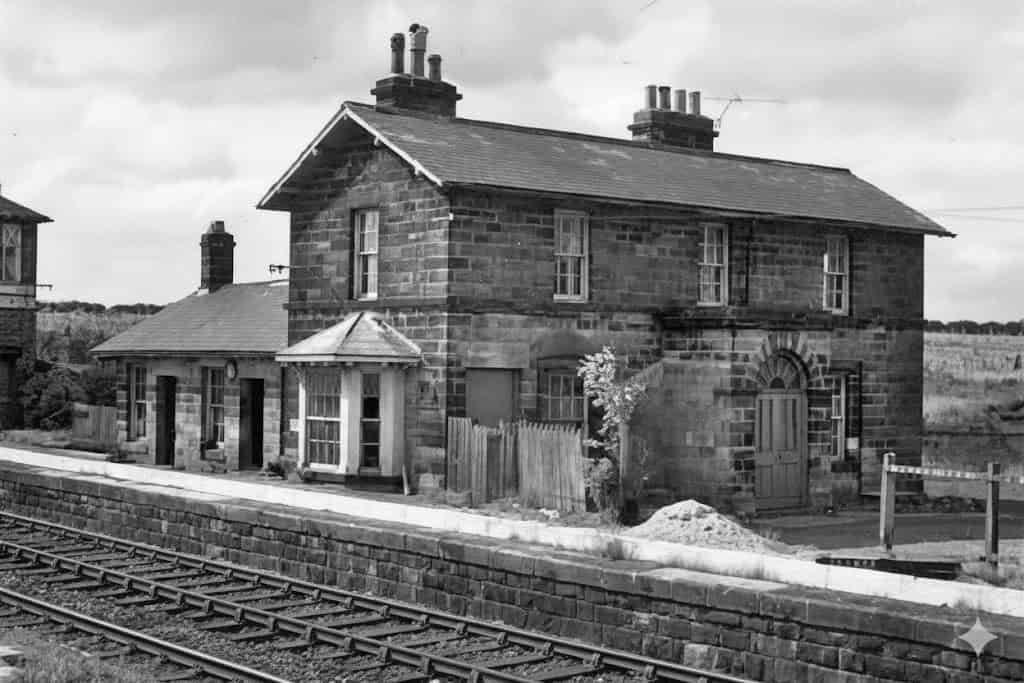
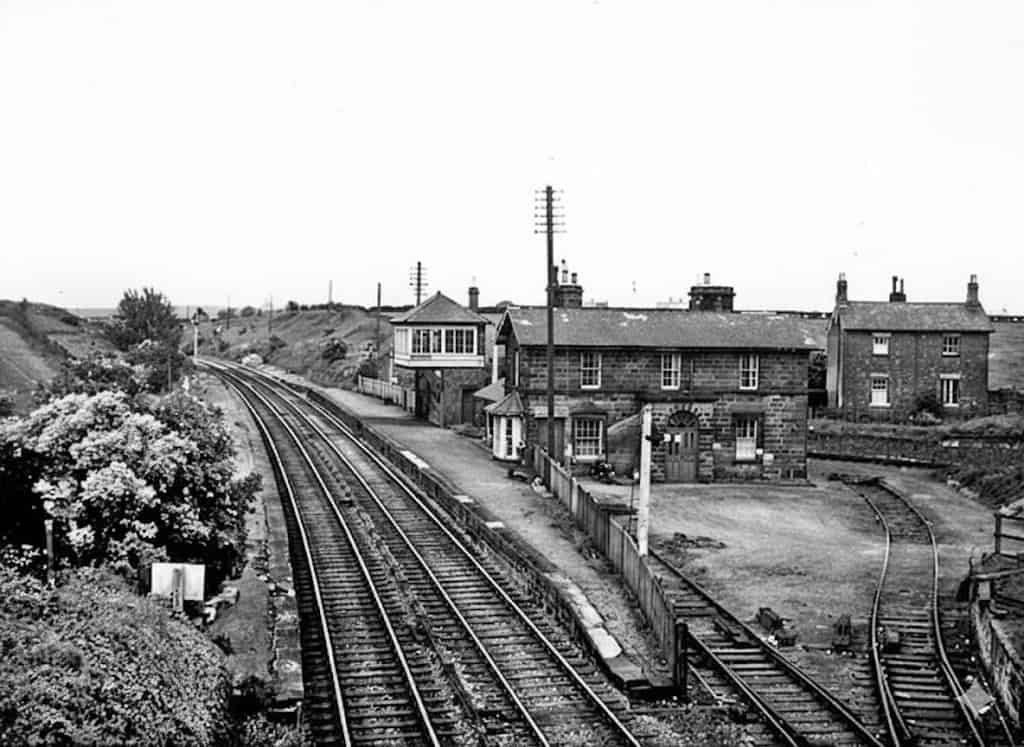
Designed by the renowned railway architect G.T. Andrews, the station building was an attractive sandstone structure. It was situated about a mile from both Shincliffe and the nearby village of Bowburn. The station primarily served the local collieries and the growing population of miners in the area.
Despite its impressive design and main line location, Shincliffe Station’s passenger services were a casualty of increasing competition from road transport. The London & North Eastern Railway (LNER) had intended to close the station in 1939, but passenger services continued until June 28, 1941. The station remained open for goods traffic until its complete closure on November 11, 1963. For a time, the station building found a new lease of life as a restaurant, but this too eventually closed.
The Rise and Fall of a Mining Community
The arrival of the railways had a profound impact on Shincliffe, transforming it from a quiet agricultural village into a bustling mining community. The new railway lines facilitated the transport of coal from local collieries, including Shincliffe Colliery, which opened in 1839. This led to a significant increase in the local population as miners and their families moved to the area.
However, the fortunes of the village were intrinsically linked to the success of the collieries. When the local mines began to close in the late 19th century, the population of Shincliffe declined sharply. The closure of the collieries, coupled with the rationalisation of the railway network, marked the end of an era for the village.
Echoes of the Past
Today, little remains to betray Shincliffe’s industrial past. The once-thriving railway lines have been dismantled, and the station buildings have been repurposed or demolished. Yet, for those who know where to look, the echoes of the past can still be found. The Mews development stands as a testament to the site of Durham’s first railway station, and the memory of the two Shincliffe stations lives on in local history archives and the stories of a village that was once at the forefront of the railway revolution.
Frequently Asked Questions about Shincliffe’s Lost Railway Stations
How many railway stations did Shincliffe have?
Shincliffe had two railway stations: Shincliffe Town and Shincliffe Station.
Shincliffe had two railway stations: Shincliffe Town and Shincliffe Station.
Shincliffe Town was the first railway station in the immediate Durham area. It opened on June 28, 1839, as the terminus of the Durham and Sunderland Railway. This was before a station was built in Durham city itself.
Where was Shincliffe Town Station located?
Shincliffe Town Station was located in Shincliffe village. The building was later used as a council depot and has since been redeveloped into private homes known as “The Mews.”
When did Shincliffe Town Station close?
Shincliffe Town Station closed to passengers in 1893 when the railway line was diverted to a new terminus at Durham Elvet, which was closer to the city centre
What was the other station in Shincliffe?
The other station was simply called Shincliffe Station. It opened on June 18, 1844, on the Newcastle & Darlington Junction Railway, which was part of the main East Coast route
Where was Shincliffe Station located?
Shincliffe Station was situated south of the railway bridge on Durham Road (A177), about a mile from both Shincliffe and Bowburn villages
When did Shincliffe Station close?
Passenger services at Shincliffe Station ceased on June 28, 1941. The station closed completely to all traffic, including goods, on November 11, 1963
What happened to the Shincliffe Station building?
After its closure, the Shincliffe Station building was used as a restaurant for some years. The platforms have since been demolished
Why did the stations close?
Shincliffe Town closed because a more convenient station was opened at Durham Elvet. Shincliffe Station, on the main line, saw a decline in passenger numbers due to the rise of bus services and its inconvenient location for the main village.
Are there any remains of the stations today?
The building of Shincliffe Town Station still exists as part of “The Mews” residential development. The building of Shincliffe Station also survives, though the platforms are gone.
Connection to Durham Railway Station
The relationship between the historical Shincliffe stations and the current Durham Railway Station is one of succession and replacement, rather than direct connection. The city’s railway network evolved over several decades, with different stations and lines being built by competing companies.
Here’s a breakdown of how they relate to each other:
Shincliffe Town Station (Opened 1839)
- Durham’s First Station: This was the original terminus for the Durham and Sunderland Railway and the first station to serve the Durham area. At the time of its opening, the current Durham station did not exist.
- No Direct Connection: This station was on a completely separate line. Its purpose was to connect the area to Sunderland. There was no track connecting it to the line where the current Durham station would eventually be built.
- Replacement: The line to Shincliffe Town was eventually diverted to a new, more central terminus at Durham (Elvet) in 1893, which led to Shincliffe Town’s closure to passengers.
Shincliffe Station (Opened 1844)
- A Different Line: This station was on the Newcastle & Darlington Junction Railway, which was the original route of the East Coast Main Line. This line initially bypassed Durham’s city centre.
- Inconvenient for Durham: While on the main north-south line, the station was about 2.5 miles from the centre of Durham. Passengers wanting to reach the city would have had to travel the remaining distance by other means.
- Made Redundant by the Current Station: The current Durham station opened in 1857. In 1872, the East Coast Main Line was rerouted through this new, more central station. This new route and station provided a direct, convenient link for Durham to the national rail network, making the more remote Shincliffe Station on the old main line obsolete for passengers travelling to the city.
The Current Durham Station (Opened 1857)
The opening of the current station on its present site in 1857 and its integration into the East Coast Main Line in 1872 was the final step. It consolidated rail traffic into a single, central point for the city, leading to the eventual decline and closure of the other, earlier stations like those in Shincliffe and Gilesgate (Palatinate).
In summary, the Shincliffe stations were early, pioneering efforts to bring rail to the Durham area. However, they were built on different lines and in less central locations. The construction of the current Durham station on the main national route ultimately provided a superior connection and led to the closure of its predecessors.
Further Reading